
The Marriage as a Fabricated Ideal
L'Amour et les ForêtsThis flow traces Bénédicte’s effort to believe in a marriage that began in vulnerability and became an image of success despite its private reality.
increasing Bearing strength in each event
 decreasing
Bearing strength in each eventdecreasingDependence After Betrayal
Dependence After Betrayal
Fear of Being Alone
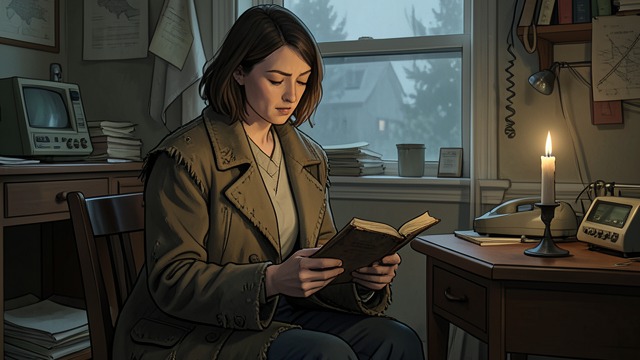
Following her divorce, Bénédicte is devastated and unable to trust that life will answer her hopes. Jean-François offers attachment at a moment when solitude feels more frightening than an imperfect relationship.
Marie-Claire later interprets the marriage as a choice made from dependence rather than mutual love. Bénédicte’s need to believe in love becomes the basis for believing that love is present.
A Family on Display
A Family on Display
The Public Version
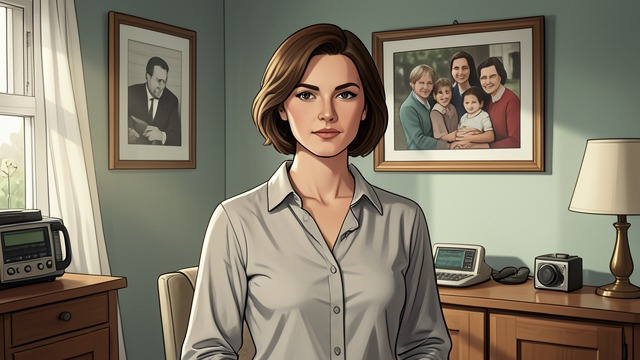
Bénédicte works to present her marriage as successful, even when its intimacy has become bleak. The image protects her from shame and preserves the ideal she wishes had become real.
The performance also turns private disappointment into a public claim: she can make others see the life she hoped to inhabit. The gap between appearance and experience grows until the family image itself becomes another burden.
The Image Exposed
The Image Exposed
A Marriage Seen From Outside
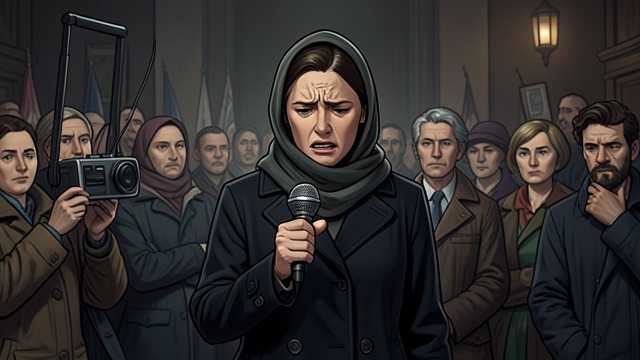
Jean-François’s admission after the radio program briefly confirms Bénédicte’s sense that the marriage is abusive. Later, the affair becomes a pretext for renewed control, while illness exposes the lack of tenderness beneath the household’s public normality.
Marie-Claire’s testimony after Bénédicte’s death dismantles the image of a stable, loving couple. The novel presents the marriage as an ideal that Bénédicte tried to sustain even as it concealed her suffering.
After Olivier leaves Bénédicte in 1992
From the early years of the second marriage through 2006
After the affair and during Bénédicte’s final illness
